Editorial standard: This independent guide uses Apple’s official newsroom, technical specification and store pages for product facts. NextAIGen is not affiliated with Apple. Prices, availability and software features can change by country.
iPhone 18 Pro Max review in two minutes
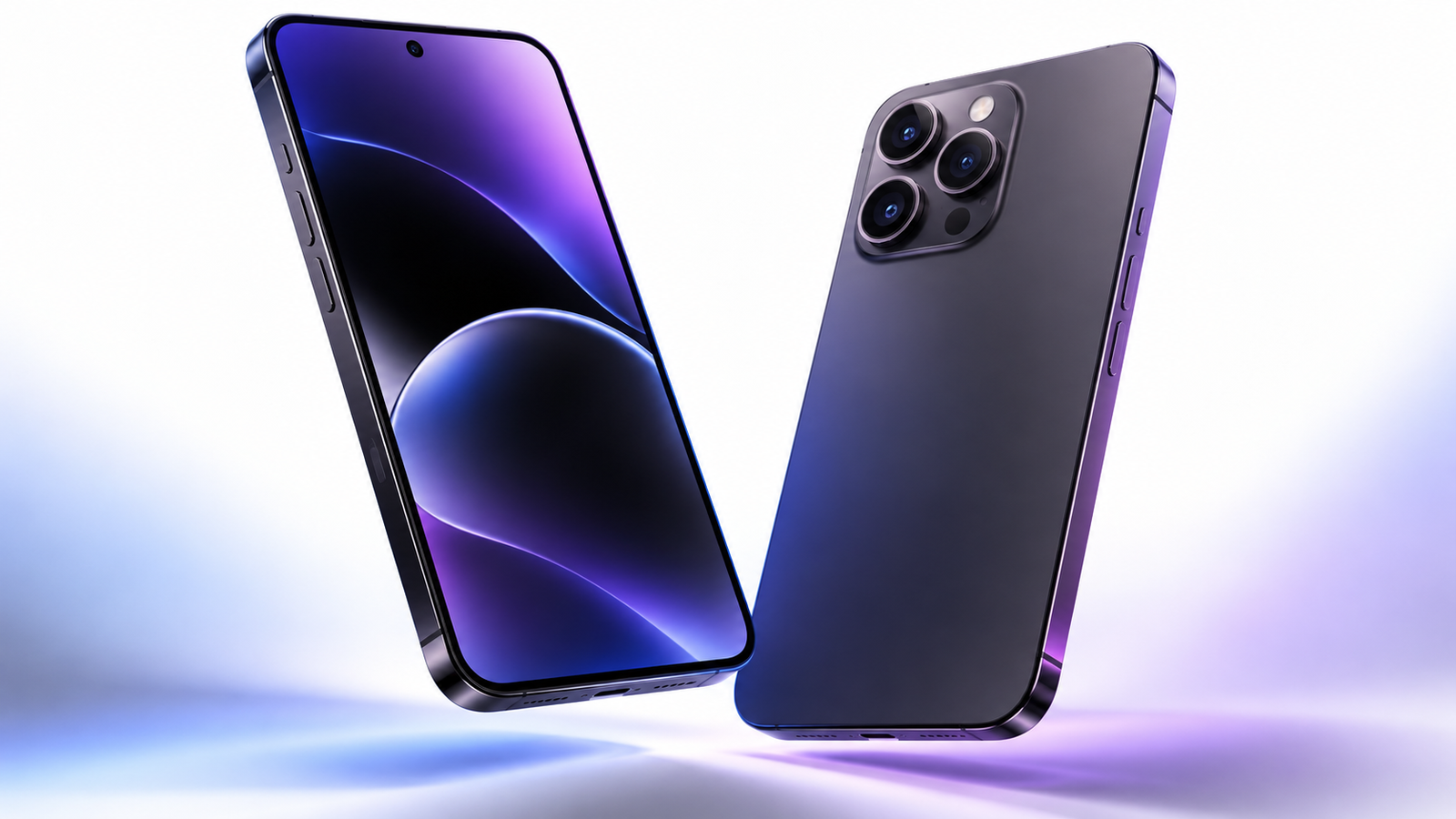
The iPhone 18 Pro Max is Apple’s largest conventional flagship for 2026. It combines a 6.9-inch OLED display, A20 Pro processor, a three-camera 48MP rear system, an 18MP front camera, four storage choices from 256GB to 2TB, and Apple’s longest official iPhone battery ratings. The United States starting price is $1,299 for 256GB. This is not a small upgrade in every area, but the camera controls, longer endurance, faster charging and sustained performance are meaningful for people who use their phone as a primary camera or work device.
The most important camera specification is not one headline megapixel number. The main camera is 48MP with four physical aperture settings: f/1.48, f/1.8, f/2.8 and f/4.0. The ultrawide is also 48MP with a 120-degree field of view, while the tetraprism telephoto is 48MP at 100mm, equal to a 4x view. Apple also creates 12MP optical-quality 2x and 8x options by using sensor information and cropping. Digital zoom reaches 40x, but digital reach should not be confused with the detail of a true optical lens.
Apple does not state the battery’s milliamp-hour capacity on its official specification page. That means a precise mAh number would require a regulatory filing or a verified teardown, and we will not invent one. Apple instead publishes up to 30 hours of typical use, 45 hours of local video playback and 40 hours of streamed video playback for the Pro Max. It also says a compatible 60W or higher USB-C adapter can reach 50 percent in about 15 minutes, while compatible 35W MagSafe charging can reach 50 percent in 30 minutes.
Short verdict: buy it when you want the biggest iPhone screen, the longest iPhone endurance, serious photo and video tools, and at least four years of use. Skip it if your current iPhone 16 Pro Max or 17 Pro Max is healthy and already covers your needs. The better phone is not automatically the newest one; it is the one that solves a real limitation at a sensible total cost.
Complete specifications at a glance
| Display | 6.9-inch Super Retina XDR OLED, 2868 by 1320 pixels, 460 ppi, adaptive ProMotion up to 120Hz |
|---|---|
| Brightness | 1,000 nits typical, 1,600 nits peak HDR, 3,000 nits peak outdoor, 1 nit minimum |
| Processor | A20 Pro, 6-core CPU, 7-core GPU with Neural Accelerators, dual 16-core Neural Engine |
| Main camera | 48MP, 24mm, variable f/1.48, f/1.8, f/2.8 and f/4.0, second-generation sensor-shift OIS |
| Ultrawide camera | 48MP, 13mm, f/2.2, 120-degree field of view, autofocus, 48MP macro support |
| Telephoto camera | 48MP, 100mm 4x, f/2.8, tetraprism, 3D sensor-shift OIS and autofocus |
| Zoom | 2x optical-quality crop, 4x optical telephoto, 8x optical-quality mode, up to 40x digital zoom |
| Front camera | 18MP Center Stage, f/1.9, autofocus, 4K Dolby Vision up to 60fps |
| Video | 4K Dolby Vision up to 120fps on main camera, ProRes, ProRes RAW, Apple Log 2, four studio-quality microphones |
| Battery rating | Up to 30 hours typical use, 45 hours local video, 40 hours streamed video; official mAh not published |
| Charging | Up to 50 percent in around 15 minutes with compatible 60W AVS adapter; MagSafe and Qi2 up to 25W |
| Storage | 256GB, 512GB, 1TB or 2TB |
| Dimensions | 163.4 by 78.0 by 8.75mm |
| Weight | 249 grams |
| Durability | Ceramic Shield 2 front, Ceramic Shield back, IP68 up to 6 metres for 30 minutes under laboratory conditions |
| Connectivity | 5G, Wi-Fi 7, Bluetooth 6, Thread, second-generation Ultra Wideband, NFC, dual-frequency GPS |
| Port | USB-C with USB 3 data up to 10Gb/s and DisplayPort |
| Software | iOS 27 with Apple Intelligence and Siri AI in supported languages and regions |
| US price | From $1,299 for 256GB; storage, taxes, trade-ins and carrier terms change the final cost |
This table separates Apple’s published specifications from interpretation. Availability, cellular bands, eSIM rules, AI features and prices differ by market, so readers should confirm the local Apple product and store pages before ordering.
Design, dimensions and real-world comfort
The aluminum unibody measures 163.4mm tall, 78mm wide and 8.75mm deep. At 249 grams it is a heavy phone, especially after adding a protective case. Ceramic Shield 2 protects the front and Ceramic Shield covers the back. Apple offers black, silver, glacier and burgundy finishes.
The large canvas is excellent for maps, editing, reading and games, but one-handed use can be tiring. Buyers with small hands should handle the phone in a store and test typing, reaching the top corners and using the camera button before committing.
A case can add meaningful width and weight. Compare grip, pocket fit, car-mount compatibility and whether MagSafe accessories remain secure. The best design choice is not the prettiest finish; it is the configuration that remains comfortable after an hour of real use.
Our recommendation is to translate the specification into a task you perform every week. If it saves time, improves reliability or replaces another device, it may justify the premium. If the benefit is visible only in a product demo or a zoomed crop, wait for a discount or keep the current phone.
Display quality and outdoor visibility
The 6.9-inch Super Retina XDR OLED panel has a 2868 by 1320 resolution at 460 pixels per inch. It supports adaptive ProMotion refresh rates up to 120Hz, Always-On display, HDR, True Tone, P3 wide colour, a 2,000,000:1 contrast ratio and an anti-reflective coating.
Apple rates typical brightness at 1,000 nits, peak HDR at 1,600 nits and peak outdoor brightness at 3,000 nits. The one-nit minimum is important for dark rooms because a display can be impressive outdoors yet uncomfortable at night.
Test the screen in direct sun, a dark bedroom and under fluorescent office lighting. Look at text sharpness, PWM sensitivity, colour consistency, reflections, minimum brightness and how quickly the phone reduces brightness when it becomes warm.
Our recommendation is to translate the specification into a task you perform every week. If it saves time, improves reliability or replaces another device, it may justify the premium. If the benefit is visible only in a product demo or a zoomed crop, wait for a discount or keep the current phone.
A20 Pro performance explained
A20 Pro uses a six-core CPU with two high-performance cores and four efficiency cores. The seven-core GPU includes Neural Accelerators, while two 16-core Neural Engines handle machine-learning work. Hardware ray tracing targets advanced games and visual workloads.
The useful question is not whether it wins a five-minute benchmark. It is whether it stays fast during a long 4K export, gaming session, photo batch or AI workload. Apple pairs the chip with a next-generation vapor chamber to improve sustained performance.
Most people will not need this level of power for messaging, browsing or social media. Creators and gamers should compare sustained frame rate, export time, heat near the camera module and battery drain over at least thirty minutes.
Our recommendation is to translate the specification into a task you perform every week. If it saves time, improves reliability or replaces another device, it may justify the premium. If the benefit is visible only in a product demo or a zoomed crop, wait for a discount or keep the current phone.
48MP main camera and variable aperture
The Fusion Main camera uses a 48MP sensor at a 24mm equivalent focal length. It can switch among f/1.48, f/1.8, f/2.8 and f/4.0. Second-generation sensor-shift optical stabilisation, 100 percent Focus Pixels and 24MP or 48MP output modes support both speed and detail.
A wider aperture gathers more light and can produce shallower depth of field. A smaller aperture can hold more of a scene in focus and reduce the need for computational blur. That flexibility matters for food, portraits, groups and products, but it does not replace good light or thoughtful composition.
Evaluate moving children, pets, faces under mixed indoor lighting, night streets, backlit subjects and fine textures. Check skin tone and shutter speed, not just sharpness. A bright static landscape is too easy to reveal the camera’s weaknesses.
Our recommendation is to translate the specification into a task you perform every week. If it saves time, improves reliability or replaces another device, it may justify the premium. If the benefit is visible only in a product demo or a zoomed crop, wait for a discount or keep the current phone.
48MP ultrawide and macro photography
The 13mm ultrawide camera has a 120-degree field of view, f/2.2 aperture, autofocus and 24MP or 48MP high-resolution output. Autofocus also enables 48MP macro photography at close distances.
Ultrawide quality often falls behind the main camera in low light. Check corner softness, noise, colour matching, distortion correction and how smoothly video changes between lenses. For interiors and landscapes, straight lines and consistent exposure matter more than exaggerated width.
Macro mode should focus reliably without blocking the light with the phone. Photograph textured fabric, a leaf, jewellery and printed text. If most close-ups look better by stepping back and using the main camera, use that method instead of chasing the macro label.
Our recommendation is to translate the specification into a task you perform every week. If it saves time, improves reliability or replaces another device, it may justify the premium. If the benefit is visible only in a product demo or a zoomed crop, wait for a discount or keep the current phone.
48MP telephoto, 4x lens and 8x mode
The dedicated telephoto camera uses a 48MP sensor, 100mm 4x equivalent lens, f/2.8 aperture, tetraprism design, autofocus and 3D sensor-shift optical stabilisation. Apple also offers a 12MP optical-quality 8x mode at 200mm equivalent.
The 4x lens is useful for portraits, events, architectural detail and subjects that cannot be approached safely. The 8x option uses the high-resolution sensor intelligently, but it should still be compared against true optical capture. Digital zoom up to 40x is mainly for reference, not guaranteed professional detail.
Test zoom in daylight and at dusk. Look for motion blur, focus hunting, colour differences and aggressive texture processing. A tripod or firm support can improve distant results, while atmospheric haze can limit detail regardless of megapixels.
Our recommendation is to translate the specification into a task you perform every week. If it saves time, improves reliability or replaces another device, it may justify the premium. If the benefit is visible only in a product demo or a zoomed crop, wait for a discount or keep the current phone.
18MP front camera and video calls
The Center Stage front camera is 18MP with an f/1.9 aperture, autofocus and Focus Pixels. It supports automatic framing, tap-to-zoom and rotate, ultra-stabilised video, Dual Capture and Center Stage in video calls.
For creators, the front camera records 4K Dolby Vision at 24, 25, 30 or 60 frames per second. It also supports ProRes with external recording, Apple Log 2, Cinematic mode and spatial audio features.
Test face detail in window light, low light and strong backlight. For calls, judge voice clarity, exposure changes, framing stability and whether Center Stage movement feels natural rather than distracting.
Our recommendation is to translate the specification into a task you perform every week. If it saves time, improves reliability or replaces another device, it may justify the premium. If the benefit is visible only in a product demo or a zoomed crop, wait for a discount or keep the current phone.
Professional video features
Rear-camera video reaches 4K Dolby Vision up to 120fps on the main camera, with additional 100fps and conventional frame-rate choices. ProRes, ProRes RAW, Apple Log 2, the Academy Color Encoding System and external storage support target professional workflows.
Four studio-quality microphones, wind-noise reduction, Audio Mix and spatial audio make sound part of the camera story. A sharp video with weak dialogue is still a poor result, so creators should test traffic, wind, quiet speech and loud environments.
High-quality formats consume storage rapidly. Confirm cable speed, external drive compatibility, editing software, colour-management workflow and backup capacity before paying for 1TB or 2TB solely because the specification sounds professional.
Our recommendation is to translate the specification into a task you perform every week. If it saves time, improves reliability or replaces another device, it may justify the premium. If the benefit is visible only in a product demo or a zoomed crop, wait for a discount or keep the current phone.
Battery life and the missing mAh number
Apple officially lists a rechargeable lithium-ion battery but does not publish capacity in mAh. The honest specification is therefore not a guessed capacity. Apple rates the Pro Max for up to 30 hours of typical use, 45 hours of local video playback and 40 hours of streamed video playback.
These figures come from controlled Apple tests. Real endurance changes with signal strength, screen brightness, camera recording, navigation, gaming, heat, background activity and battery health. A rural 5G commute can consume more energy than Wi-Fi use at home.
For a fair test, charge to 100 percent, use the phone normally for several days and record screen-on time, camera minutes, navigation and remaining charge. Compare the same routine on the old phone rather than relying on one synthetic rundown.
Our recommendation is to translate the specification into a task you perform every week. If it saves time, improves reliability or replaces another device, it may justify the premium. If the benefit is visible only in a product demo or a zoomed crop, wait for a discount or keep the current phone.
Wired charging, MagSafe and Qi2
Apple states that a compatible 60W or higher adapter with Adjustable Voltage Supply can reach 50 percent in around 15 minutes over USB-C. A compatible 35W or higher adapter and MagSafe charger can reach 50 percent in 30 minutes. MagSafe and Qi2 wireless charging are rated up to 25W.
Peak adapter wattage does not mean the phone continuously accepts that full number. Charging slows as the battery fills and heat rises. Cable quality, adapter protocol, temperature and phone use during charging all affect the result.
Buy certified accessories from a reputable seller. Cheap power hardware can reduce reliability and safety. For overnight charging, convenience matters more than peak speed; for travel, one quality multi-port adapter may replace several chargers.
Our recommendation is to translate the specification into a task you perform every week. If it saves time, improves reliability or replaces another device, it may justify the premium. If the benefit is visible only in a product demo or a zoomed crop, wait for a discount or keep the current phone.
Storage: 256GB, 512GB, 1TB or 2TB
Apple offers four capacities. 256GB suits people who stream media, use cloud photos and record limited professional video. 512GB provides comfortable room for large games, offline media and regular 4K capture. 1TB and 2TB target heavy ProRes, RAW and long-term local storage.
Do not select storage from marketing anxiety. Check the current phone’s used space, add expected growth for four years, then include a safety margin. Cloud storage helps, but it has a recurring cost and still requires reliable connectivity.
Creators should calculate minutes of footage per project, temporary editing files and backup duplication. A smaller phone plus a fast external drive may cost less, but an external workflow adds cables and management.
Our recommendation is to translate the specification into a task you perform every week. If it saves time, improves reliability or replaces another device, it may justify the premium. If the benefit is visible only in a product demo or a zoomed crop, wait for a discount or keep the current phone.
Connectivity and travel
The Pro Max supports 5G, Gigabit LTE, Wi-Fi 7 with 2×2 MIMO, Bluetooth 6, Thread, NFC, second-generation Ultra Wideband and precision dual-frequency GPS. Model-specific cellular bands vary by country.
United States and Canada models rely heavily on eSIM, and Apple lists dual active eSIM with storage for multiple profiles. Travellers should check carrier activation, roaming, local eSIM availability and emergency-service support before departure.
Wi-Fi 7 only helps when the router, internet connection, environment and other devices can use it. Bluetooth improvements matter for future accessories, but codec and product compatibility still determine the listening experience.
Our recommendation is to translate the specification into a task you perform every week. If it saves time, improves reliability or replaces another device, it may justify the premium. If the benefit is visible only in a product demo or a zoomed crop, wait for a discount or keep the current phone.
Durability, water resistance and repair planning
The IP68 rating covers laboratory testing at up to six metres for thirty minutes under IEC 60529. Water resistance is not permanent, can decline with wear and does not make salt water, steam or high-pressure jets safe. Liquid damage terms should be checked separately.
Ceramic Shield reduces risk but does not make glass unbreakable. A raised-edge case and quality screen protector remain sensible for buyers planning four or more years of ownership. AppleCare+ may be valuable for high-risk work or frequent travel, but compare the premium, service fee and local repair options.
Before buying, check repair pricing for the screen, back, camera and battery. Long ownership depends on parts, service access and backup habits as much as processor speed.
Our recommendation is to translate the specification into a task you perform every week. If it saves time, improves reliability or replaces another device, it may justify the premium. If the benefit is visible only in a product demo or a zoomed crop, wait for a discount or keep the current phone.
iOS 27, Apple Intelligence and Siri AI
The phone ships with iOS 27. Apple Intelligence and Siri AI availability depends on language, region, account, age and network conditions. Some features use on-device processing while others may rely on cloud systems and usage limits.
Buy the phone for capabilities available today. Do not justify a large purchase entirely with a promised AI feature. Test summarisation, writing assistance, photo editing, personal context and app actions with non-sensitive material before allowing broader access.
Review permissions for photos, messages, contacts, location and microphone. Convenience should not require sharing more information than the task needs. Families should also check age rules and parental controls.
Our recommendation is to translate the specification into a task you perform every week. If it saves time, improves reliability or replaces another device, it may justify the premium. If the benefit is visible only in a product demo or a zoomed crop, wait for a discount or keep the current phone.
USB-C and creator workflow
USB-C supports charging, DisplayPort and USB 3 data up to 10Gb/s with the right cable and device. The included cable may not deliver the fastest data rate, so professionals should verify cable specifications rather than assuming every USB-C cable is identical.
A fast external SSD can simplify ProRes and ProRes RAW capture. Test drive formatting, sustained write speed, power requirements, mounting and file import into the editing application. Keep at least two copies of irreplaceable footage.
DisplayPort output can connect presentations and video to a compatible display, but adapters and apps may behave differently. A rehearsal is essential before a paid shoot or live event.
Our recommendation is to translate the specification into a task you perform every week. If it saves time, improves reliability or replaces another device, it may justify the premium. If the benefit is visible only in a product demo or a zoomed crop, wait for a discount or keep the current phone.
Accessibility and everyday controls
Apple lists VoiceOver, Zoom, Magnifier, Voice Control, Switch Control, AssistiveTouch, Eye Tracking, Live Captions, Personal Voice, Live Speech and other accessibility features. The Action button can launch accessibility tools, shortcuts, translation, camera or other functions.
Accessibility should be evaluated as a core buying requirement, not an optional extra. Test the actual gesture, hearing device, caption language, switch or voice workflow before the return window closes.
Camera Control can adjust exposure, depth, zoom, cameras, styles and tone. It may speed up capture for some people, while others will prefer onscreen controls. Customise it rather than accepting the default behaviour.
Our recommendation is to translate the specification into a task you perform every week. If it saves time, improves reliability or replaces another device, it may justify the premium. If the benefit is visible only in a product demo or a zoomed crop, wait for a discount or keep the current phone.
Environmental claims and long ownership
Apple says the models use 40 percent recycled content overall, including recycled cobalt and lithium in the battery, recycled aluminum in the enclosure and recycled rare earth materials in magnets. Packaging is fiber based.
Environmental percentages are useful context, but keeping a working phone longer can be more meaningful than replacing it annually. Battery service, a protective case, software updates and responsible trade-in all extend value.
A buyer should not treat sustainability claims as a substitute for repair information. Check service availability and use Apple’s published environmental report for exact methodology.
Our recommendation is to translate the specification into a task you perform every week. If it saves time, improves reliability or replaces another device, it may justify the premium. If the benefit is visible only in a product demo or a zoomed crop, wait for a discount or keep the current phone.
Price, financing and total cost
The United States starting price is $1,299 for 256GB. Storage upgrades can raise the price sharply, while taxes, carrier commitments, insurance and accessories change the real total. A monthly payment can make an expensive phone feel cheaper without reducing its cost.
Compare an unlocked purchase, carrier promotion, trade-in and keeping the current phone. Read the full term, bill credits, early-upgrade conditions and required plan price. A large headline credit can be offset by a more expensive service plan.
Estimate three-year or four-year ownership cost, then subtract realistic resale value. Include a case, charger, cloud storage and likely battery service. The cheapest monthly figure is not always the lowest total.
Our recommendation is to translate the specification into a task you perform every week. If it saves time, improves reliability or replaces another device, it may justify the premium. If the benefit is visible only in a product demo or a zoomed crop, wait for a discount or keep the current phone.
Who should buy the iPhone 18 Pro Max
This phone is best for creators who use Apple’s video pipeline, travellers who value endurance and satellite features, gamers who need sustained performance, and buyers who want a large screen for four or more years. It also suits people deeply invested in Mac, Apple Watch, AirPods and iCloud.
Owners of an iPhone 14 Pro Max or older may see a broad improvement in battery, camera range, display, connectivity and software lifespan. An owner with a damaged battery, insufficient storage or an unreliable camera may have a practical reason to upgrade sooner.
People who mainly message, browse and stream should compare the standard iPhone 18 family or a discounted previous model. Paying for professional controls that remain unused is not value.
Our recommendation is to translate the specification into a task you perform every week. If it saves time, improves reliability or replaces another device, it may justify the premium. If the benefit is visible only in a product demo or a zoomed crop, wait for a discount or keep the current phone.
Who should skip it
Skip the upgrade when an iPhone 16 Pro Max or 17 Pro Max remains fast, has healthy battery capacity and produces the photos you need. Annual upgrades create high cost for relatively small everyday gains.
Avoid the Pro Max if weight, one-handed use or pocket comfort matters more than screen size. The smaller iPhone 18 Pro offers much of the same camera and processor capability in a more manageable body, though official endurance is lower.
Android users should not switch solely for one camera specification. Consider app purchases, messaging habits, watches, computers, cloud storage and repair support. Ecosystem migration can cost more time and money than the handset.
Our recommendation is to translate the specification into a task you perform every week. If it saves time, improves reliability or replaces another device, it may justify the premium. If the benefit is visible only in a product demo or a zoomed crop, wait for a discount or keep the current phone.
Camera test plan for real buyers
A serious camera comparison should use the same subjects, framing and light. Start with the main camera outdoors, indoors and at night. Photograph skin, hair, pets, leaves, printed text, moving vehicles and backlit windows. Record whether the phone chooses a fast enough shutter speed and whether faces remain natural after processing.
Repeat the scene at 0.5x, 1x, 2x, 4x and 8x. Inspect the whole image before pixel peeping. Consistent colour and exposure across lenses usually matter more than one lens winning a sharpness contest. At 40x digital zoom, expect reduced detail and use the result mainly for identifying a distant sign or object.
For video, record a walking clip, pan slowly across detail, move from sunlight into shade and capture speech in wind. Check focus transitions, stabilisation, rolling shutter, microphone direction and lens-switch jumps. Creators should import ProRes and Apple Log 2 footage into the actual editor before the return period ends.
Finally, judge workflow. Measure launch time, shutter response, file size, upload speed and how quickly a photo can be edited and shared. A camera that produces marginally better files but slows every job may not be the better professional tool.
Battery test plan and four-year ownership
Record battery behaviour over at least five normal days. Note the starting charge, screen-on time, cellular signal, navigation, camera recording, gaming, calls and ending charge. Run one Wi-Fi-heavy day and one mobile-data-heavy day. This makes the result personal and more useful than a generic loop test.
Battery health will decline with charge cycles, heat and time. Use optimised charging, avoid leaving the phone in a hot car and consider a battery replacement when endurance becomes inconvenient. Replacing a battery can be cheaper and less wasteful than replacing a phone that still performs well.
Apple’s 45-hour local video claim is not a promise of 45 hours of mixed use. Local video playback is predictable and efficient; camera recording, navigation and weak cellular reception are much harder. The official 30-hour typical-use figure is a broader reference, but personal testing remains essential.
For travel, carry a reputable USB-C power bank and cable. Confirm airline battery rules, avoid unlabelled accessories and keep emergency features configured. Long endurance reduces anxiety, but preparation matters more than a headline rating.
Pre-purchase and first-week checklist
Before ordering, confirm the exact model, storage, colour, carrier status and return period. Check whether your country’s version supports the cellular bands and SIM arrangement you need. Price the phone together with tax, a protective case, a screen protector, a compatible charger, cloud storage and insurance. Back up the old phone, verify important passwords and move any authenticator accounts carefully instead of wiping the old device immediately.
During the first week, test call quality, mobile data, Wi-Fi, Bluetooth accessories, GPS, Face ID, speakers, microphones and every camera. Inspect the display at low brightness for uniformity, use the phone outdoors, record a long video and run the apps that matter to your work. Check storage use after restoring photos and messages. If a promised feature is essential, confirm it works in your language, country and account before the return window closes.
Creators should test an entire project from capture to backup. Record ProRes or Apple Log 2, transfer it through the intended cable or external drive, edit it in the real software and export the final result. Travellers should add an eSIM, download an offline map and configure emergency contacts. Accessibility users should set up preferred controls and confirm that key third-party apps work with them.
Keep the packaging and purchase record until you are satisfied. Note unusual heat, rapid battery loss, focus errors, audio distortion or connectivity drops. One isolated issue may be software, but repeatable problems should be documented and raised with Apple or the retailer promptly. A careful first-week test protects the buyer far better than discovering a problem after the return period.
Key comparisons
iPhone 18 Pro Max vs iPhone 18 Pro
Choose the Max for the 6.9-inch canvas and stronger official endurance. Choose the smaller Pro for easier one-handed use, lower weight and a lower starting price. Both share the A20 Pro direction and core professional camera concept, so size and battery are the decisive differences.
Compare the complete ownership cost and test the feature that matters most to you. A specification-table winner can still be the wrong purchase if it is uncomfortable, unsupported by your carrier or poorly matched to your apps.
iPhone 18 Pro Max vs iPhone 17 Pro Max
The newer phone adds variable aperture, longer official endurance, faster charging and updated processing. A healthy 17 Pro Max remains a powerful device. Upgrade only when one of those changes fixes a real limitation.
Compare the complete ownership cost and test the feature that matters most to you. A specification-table winner can still be the wrong purchase if it is uncomfortable, unsupported by your carrier or poorly matched to your apps.
iPhone 18 Pro Max vs Galaxy S26 Ultra
The iPhone emphasises video workflow, Apple ecosystem integration and long battery ratings. Samsung emphasises S Pen productivity, extensive multitasking, Android flexibility and its own zoom approach. Camera preference should be tested with faces, motion and video rather than decided by megapixels.
Compare the complete ownership cost and test the feature that matters most to you. A specification-table winner can still be the wrong purchase if it is uncomfortable, unsupported by your carrier or poorly matched to your apps.
iPhone 18 Pro Max vs Pixel 11 Pro XL
Pixel appeals to buyers who want Google’s photography style and Gemini integration. The iPhone is stronger for people invested in Apple devices and professional video formats. Regional service, trade-in value and ecosystem costs can outweigh small camera differences.
Compare the complete ownership cost and test the feature that matters most to you. A specification-table winner can still be the wrong purchase if it is uncomfortable, unsupported by your carrier or poorly matched to your apps.
iPhone 18 Pro Max vs a discounted older flagship
A prior-generation Pro Max can deliver most everyday benefits at a lower price. Check remaining warranty, battery health, storage and years of expected support. A sensible discount often creates better value than a new feature you rarely use.
Compare the complete ownership cost and test the feature that matters most to you. A specification-table winner can still be the wrong purchase if it is uncomfortable, unsupported by your carrier or poorly matched to your apps.
Frequently asked questions
How many megapixels are the rear cameras?
All three rear cameras use 48MP sensors: 48MP main, 48MP ultrawide and 48MP 4x telephoto. Output resolution can be 12MP, 24MP or 48MP depending on lens and mode.
How many megapixels is the selfie camera?
The front Center Stage camera is 18MP with an f/1.9 aperture and autofocus.
What is the battery capacity in mAh?
Apple does not publish an official mAh capacity on its product specification page. We therefore do not state an unverified number. Official ratings are up to 30 hours typical use, 45 hours local video and 40 hours streamed video.
How fast does it charge?
Apple says it can reach 50 percent in around 15 minutes using a compatible 60W or higher AVS adapter and USB-C cable. Actual speed changes with temperature, battery level and accessory compatibility.
Does it have a 120Hz display?
Yes. ProMotion uses adaptive refresh rates up to 120Hz.
How bright is the display?
Apple lists 1,000 nits typical, 1,600 nits peak HDR, 3,000 nits peak outdoor and 1 nit minimum brightness.
Is it waterproof?
It is IP68 rated in laboratory conditions at up to six metres for thirty minutes. Water resistance is not permanent and does not mean every liquid exposure is covered.
What is the optical zoom?
The dedicated telephoto is 4x. Apple also provides an 8x optical-quality option and up to 40x digital zoom.
Does it record 4K 120fps video?
The main rear camera supports 4K Dolby Vision at up to 120fps. Other lenses and modes have different limits.
Does it support ProRes RAW?
Yes, Apple lists ProRes RAW and external recording support. Verify storage, cable, drive and editing-software compatibility.
What storage should I buy?
256GB suits typical cloud users. 512GB is safer for large games and regular 4K video. 1TB or 2TB is mainly for heavy professional footage or large offline libraries.
Does it use USB-C?
Yes. The port supports charging, DisplayPort and USB 3 data up to 10Gb/s with compatible equipment.
Does it support Wi-Fi 7?
Yes, Apple lists Wi-Fi 7 with 2×2 MIMO. A compatible router and suitable internet connection are required to see the full benefit.
Does it have a physical SIM slot?
Apple’s official US specification describes dual eSIM and no physical SIM compatibility. Regional models and carrier support should be checked locally.
How heavy is it?
Apple lists 249 grams before adding a case or screen protector.
What colours are available?
Black, silver, glacier and burgundy.
How many years should it last?
A realistic target is four to six years when storage is sufficient, the phone receives updates and the battery is serviced when necessary. Individual use and accidents can shorten that period.
Is it worth upgrading from iPhone 17 Pro Max?
Usually not for a casual user. Upgrade if variable aperture, longer endurance, faster charging, storage or sustained performance solves a specific problem.
Is it good for professional photography?
It offers deep manual and RAW options, but a phone does not replace every dedicated-camera lens, sensor or ergonomic advantage. It is strongest when mobility and fast capture matter.
Is the 40x zoom truly optical?
No. Apple lists 40x as digital zoom. The dedicated telephoto is 4x, while 8x is described as optical-quality.
Does the box include a charger?
Apple lists the phone and a one-metre USB-C cable. A power adapter is sold separately.
Should I buy AppleCare+?
Compare the plan price and service fees with local screen, back and battery repair prices. It may suit high-risk work and travel, but it is not automatically economical for everyone.
Can it replace a camera for travel?
For many travellers, yes, especially for daylight, portraits, video and quick sharing. Dedicated cameras still offer larger sensors, interchangeable lenses, longer optical reach and specialised controls.
What is the best feature?
For most buyers the combination of longer endurance, a versatile 48MP camera system and sustained performance is more important than any single specification.
Final verdict
The iPhone 18 Pro Max is a highly capable flagship, but its value depends on how often the owner uses its specific strengths. The 48MP main, ultrawide and telephoto cameras provide a flexible toolkit, while variable aperture makes the main camera more interesting for deliberate photography. The 18MP front camera, advanced video formats, four microphones and fast USB-C workflow make the phone especially relevant to creators.
Battery is another clear reason to consider it. Apple does not provide an official mAh figure, yet the published endurance ratings are strong: up to 30 hours typical use, 45 hours local video and 40 hours streamed video. Faster wired charging reduces the cost of a forgotten overnight charge, though buyers need a compatible adapter.
The drawbacks are equally clear. It is expensive, large and heavy. Many people will never use ProRes RAW, Apple Log 2, 2TB storage or 40x digital zoom. Recent Pro Max owners should resist upgrading for novelty. A battery replacement, fresh case or storage cleanup may extend the current phone for another year.
Our recommendation is simple. Buy the iPhone 18 Pro Max if you want the largest iPhone, will use its camera or work features, and plan to keep it for several years. Choose the smaller Pro if comfort matters more than maximum endurance. Choose a standard iPhone or discounted older flagship if everyday communication and casual photography are the priority.